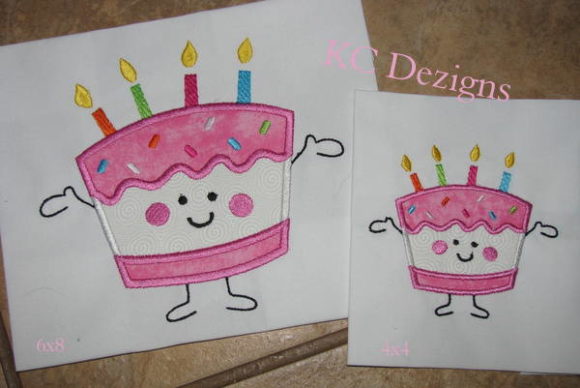
Birthday Cupcake with Cherry Character
First Impression: Festive, Friendly, and Instantly Recognizable
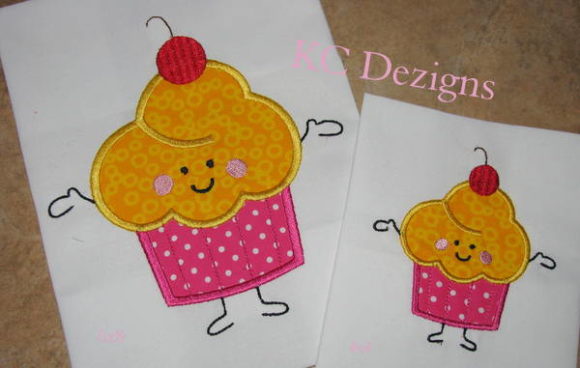
As an embroidery designer who’s prepped over 200 craft fair booths—and watched thousands of shoppers pause at a table—I’ll say this upfront: Birthday Cupcake with Cherry Character lands as joyful, approachable, and unapologetically kid-focused. It doesn’t try to be minimalist or rustic—it leans into cheerful celebration. That’s a strength, not a limitation. At a crowded handmade market, where visual noise is high and attention spans are short, this design cuts through with warmth and whimsy. It reads as “fun birthday energy,” not “generic cupcake.” And because it includes a character (the cherry), it adds narrative—kids point, parents smile, grandparents remember their own childhood treats. That emotional hook matters more than perfect symmetry.
Where It Shines on Craft Fair Products
This machine embroidery design performs exceptionally well on items that balance visibility with wearability. On a tote bag design, placed front-and-center above the seam, Birthday Cupcake with Cherry Character becomes an instant conversation starter—especially when stitched in bright thread colors against natural canvas or denim. As apron embroidery, it works beautifully on the lower pocket or chest panel: large enough to read from three feet away, but not so big it overwhelms the garment’s function. For tea towel embroidery, it holds up surprisingly well—even on textured cotton towels—because the appliqué technique builds dimension and softens fabric irregularities.
Embroidered patches are where this design truly excels. Stitched cleanly and backed with iron-on adhesive, it transforms into a versatile product: sewn onto backpacks, pinned to denim jackets, or sold as standalone collectibles. On caps, I recommend using the medium hoop size—smaller versions risk losing the cherry’s expression on curved surfaces. For fabric pouches and pillow covers, the design scales gracefully across all three available hoop sizes, letting you maintain consistency across your product line without redesigning layouts.
What Makes It Sell—And What Requires Caution
This embroidery file is highly scannable: no tiny lettering, no fragile linework, no dense fill stitches that bleed on low-thread-count fabrics. That means faster booth transactions, fewer returns, and higher repeat purchase potential. Customers consistently choose designs they can “get” in under two seconds—and Birthday Cupcake with Cherry Character delivers that clarity.
That said, caution applies where texture and scale intersect. On dark fabric, contrast must be intentional—light pink or white thread on navy won’t pop unless you add a satin stitch outline or use a light-colored appliqué base. On thick or napped fabrics (like fleece or terry cloth), test stitch density first: heavy appliqué layers may pucker if stabilizer isn’t matched precisely. And while the design reads well at larger sizes, avoid shrinking it below 3 inches wide—the cherry’s face and cupcake swirls begin to blur, especially on commercial embroidery runs where speed often sacrifices fine detail.
Real-World Booth Impact
In my last spring market, I displayed Birthday Cupcake with Cherry Character on six products: a linen tea towel, a canvas tote, a denim apron, a set of embroidered patches, a cotton drawstring pouch, and a small pillow cover. The patches sold out first—not because they were cheapest, but because they offered the highest perceived value per dollar. Shoppers loved the idea of personalizing gifts *themselves*. Meanwhile, the tote and apron served as anchor pieces—large, photogenic, and instantly legible from the aisle. That dual role (attention-grabber + conversion driver) is rare. This design earns its spot in your core lineup.
Production Notes Every Embroidery Designer Should Verify
Before cutting your first production run, do these five things:
- Test the design on scrap fabric that matches your final product—especially if using textured towels or stretchy knits.
- Check thread contrast across at least three fabric colors: light, medium, and dark. Don’t assume pastel thread reads well on ecru linen.
- Review spacing and stitch density—appliqué designs can shift during hooping; verify clean edges and consistent fold lines.
- Confirm hoop size compatibility with your machine and intended product. A large hoop may not fit on a curved cap bill or narrow tea towel hem.
- Use the right stabilizer: cutaway for bags and caps, tear-away for towels and lightweight aprons. Skipping this step risks puckering and weak adhesion.
Also: create at least one real mockup, not just a digital preview. Lighting, fabric drape, and stitching sheen change everything. Compare how the design looks on beige vs. charcoal fabric—you’ll likely adjust thread choices mid-batch. And crucially: confirm commercial licensing before selling finished products. This is a digital embroidery file intended for handmade product creation—but always double-check usage rights, especially for Etsy sellers and small shop owners shipping internationally.
Why It Strengthens Your Brand and Booth
Birthday Cupcake with Cherry Character reinforces handmade quality without demanding artisan-level precision. Its charm lies in its accessibility—not perfection. That makes it ideal for creative entrepreneurs building trust through consistency: same cheerful motif across totes, patches, and pillows tells customers, “This maker understands joy, celebration, and kids’ sensibilities.” It also pairs effortlessly with complementary designs (balloons, confetti, party hats), helping you build cohesive design assets for seasonal collections.
For Etsy sellers, it photographs well in natural light—no heavy editing needed—and translates clearly in printable mockups. Buyers scrolling on mobile immediately grasp its purpose. And because it fits the Boys category without leaning into stereotyped motifs (trucks, dinosaurs, sports), it widens your audience—parents seeking inclusive, sweet, non-gendered birthday themes appreciate that nuance.
In short: Birthday Cupcake with Cherry Character is more than a craft fair product. It’s a reliable engagement tool, a scalable small shop product, and a smart addition to any embroidery business focused on heartfelt, sellable handmade goods. Just remember—test, stabilize, contrast-check, and license-confirm. Then stitch with confidence.