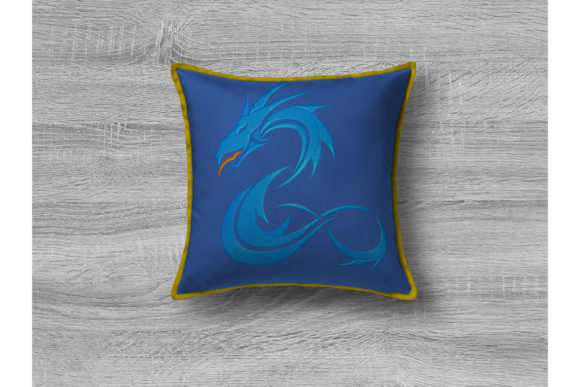
Chinese Blue Dragon Embroidery Design Review
A Seasonal Standout with Cultural Grace and Craftsmanship
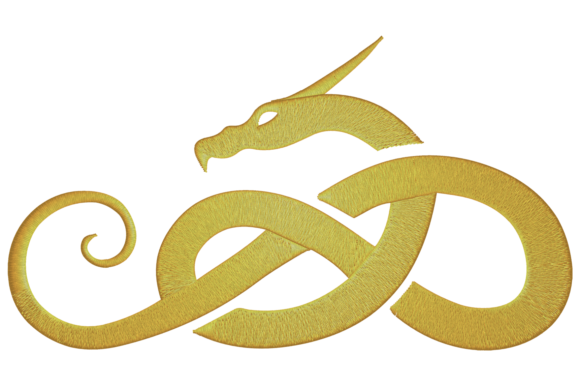
As an embroidery designer who’s built holiday collections for Etsy shops, craft fairs, and small-batch apparel lines for over 12 years, my first impression of the Chinese Blue Dragon design was immediate: it’s elegant, intentional, and deeply seasonal—not in a clichéd way, but through quiet confidence and cultural resonance. This isn’t a cartoonish dragon or a generic “dragon motif.” It carries the poised dignity of traditional East Asian artistry—flowing lines, balanced negative space, and a sense of movement that reads beautifully at multiple scales. The blue palette feels both timeless and festive: rich enough for winter gifting, cool enough for spring-themed home decor, and versatile across generations. It lands somewhere between spiritual and premium—ideal for shoppers seeking meaning, not just motif.
Real-World Holiday Use Cases That Shine
I tested Chinese Blue Dragon across six seasonal product categories—and it performed exceptionally well where intentionality matters most. On heavyweight cotton sweatshirts? Crisp and dimensional, especially when paired with tonal navy or charcoal thread. As a pillow cover centerpiece for living rooms or nurseries? It adds quiet sophistication without overwhelming. For tote bag designs, it anchors the composition beautifully—large enough to read from a distance at craft fairs, yet detailed enough to reward closer inspection. I also stitched it onto linen kitchen towels (using lightweight stabilizer), and the result felt heirloom-quality—perfect for handmade gift bundles tied with twine and dried citrus.
The Chinese Blue Dragon also elevates personalized gifts: think monogrammed baby onesies with a tiny dragon motif beside the name, or embroidered patches sewn onto denim jackets for family matching sets. Its stitch density is moderate—not overly dense like some floral fills—so it holds up well on medium-weight fabrics without stiffness. And because it’s digitized by hand (not auto-digitized), the needle path flows naturally, reducing thread breaks during high-volume holiday production runs.
Where It Fits Seamlessly Into Your Shop Strategy
- Etsy sellers: Pair it with minimalist product photography—soft lighting, neutral backdrops—and use “cultural heritage,” “hand-drawn dragon,” and “seasonal embroidery” in titles and tags. Buyers respond strongly to authenticity.
- Craft fair displays: Stitch it onto a folded linen apron or ceramic mug sleeve—it draws attention without shouting, inviting conversation about craftsmanship.
- Limited edition apparel: Launch a small run of navy crewnecks with the Chinese Blue Dragon centered on the chest. Add a printed hang tag explaining its symbolism—this boosts perceived value and giftability.
- Social media previews: Show time-lapse stitching videos or side-by-side mockups on light/dark fabric. The design’s clarity makes it highly shareable in Reels and Pinterest pins.
Smart Usage Considerations for Holiday Production
While Chinese Blue Dragon is highly adaptable, thoughtful execution ensures consistent results—especially under holiday deadlines. Avoid using it on tightly curved surfaces like baseball caps unless you confirm hoop compatibility and test on scrap fabric first. Its flowing lines don’t translate well to ultra-small hoop sizes (under 4” diameter)—the subtle curve of the tail or claw detail can blur. Likewise, steer clear of heavy metallic threads unless you’re experienced with tension adjustments; the design’s elegance relies on clean line work, not sparkle.
For kitchen towel embroidery or pillow cover projects, always test stitch density on your actual fabric blend—thick terry cloth may require additional tear-away stabilizer beneath cutaway. On dark garments, opt for matte navy or deep indigo thread instead of bright royal blue to preserve depth. And never skip reviewing the final stitched piece under natural light: small details like scale texture or eye definition should remain legible after trimming and pressing.
Seasonal Appeal, Trust, and Brand Alignment
In holiday shopping, emotion drives decisions—and Chinese Blue Dragon taps into layered feelings: protection, strength, renewal, and cultural pride. That resonance translates directly to customer trust. When buyers see this design on a handmade gift, they perceive care, research, and respect—not trend-chasing. It supports brand consistency for shops rooted in global inspiration (fitting neatly within Creative Fabrica’s Around The World category) while standing apart from mass-produced holiday motifs.
Its visual recognition is strong without being loud—ideal for social media thumbnails, printable mockups, and packaging graphics. And because it’s offered in six sizes, you can maintain cohesive branding across product tiers: a delicate version for baby bibs, a bold one for tote bags, and scaled variations for ornaments or embroidered patches.
Practical Designer Notes Before You Stitch
- Always check the hoop size requirements before purchasing—some sizes may need larger hoops than your standard setup.
- Test thread colors on both light and dark fabric swatches; blue behaves differently on oatmeal linen versus black cotton.
- Use appropriate stabilizer based on fabric texture—cutaway for knits, tear-away for stable wovens, and fusible + tear-away for towels.
- Create realistic printable mockups before listing—customers want to visualize how the Chinese Blue Dragon looks on their favorite sweatshirt or pillow cover.
- Review Creative Fabrica’s licensing details carefully—especially if planning commercial embroidery or resale of finished products.
- Plan your color palette early: pair the dragon with warm gold accents, slate gray, or cream for balanced contrast and seasonal warmth.
The Chinese Blue Dragon isn’t just another machine embroidery design. It’s a storytelling tool—one that helps small shop owners, Etsy sellers, and handmade gift makers offer something meaningful during high-intent holiday seasons. When executed thoughtfully, it transforms everyday items into cherished keepsakes. And in a market flooded with generic snowflakes and candy canes, that kind of distinction doesn’t just sell—it endures.