Plastered Mobile Review
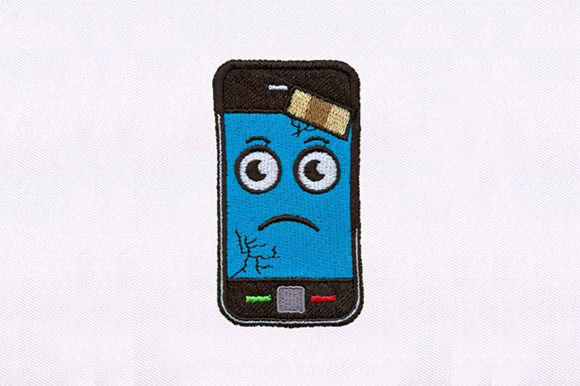
As an embroidery designer with years of experience, I’ve seen countless machine embroidery designs come and go. But when it comes to a craft fair product that can stand out in a sea of handmade items, it’s all about the design’s visual impact, practicality, and versatility. The Plastered Mobile design is one that caught my attention for its unique aesthetic and potential across various embroidery projects.
First Impression: A Bold, Modern Statement
The name “Plastered Mobile” immediately evokes a sense of modernity and artistic flair. This design doesn’t shy away from bold lines and a contemporary feel. It has a clean, minimalist look that feels both stylish and versatile. Whether you’re looking to add a touch of sophistication or a playful twist, Plastered Mobile offers a balance that can work in multiple settings.
Its visual appeal is enhanced by the way it interacts with different fabrics. On a simple tote bag, it adds a refined edge. On a kitchen towel, it brings a touch of elegance to everyday use. For a cap or a patch, it becomes a standout detail that draws the eye.
Performance on Different Embroidery Products
Plastered Mobile works well as a focal point on larger items like tote bags, aprons, and pillow covers. Its structure allows it to be both a statement piece and a subtle accent, depending on how it’s scaled. For example, on a tea towel, it can serve as a decorative element that elevates the overall look of the handmade product.
On smaller items like patches or fabric pouches, the design remains recognizable without overwhelming the space. It’s also adaptable for use on caps, where its lines can follow the curve of the head without distortion.
For an Etsy seller or small shop product, Plastered Mobile has strong potential. It’s a design that can be used across multiple product types, giving it a wide range of applications. From printable mockups to commercial embroidery, it offers flexibility that makes it valuable for digital sellers and boutique makers alike.
Practical Selling and Production Considerations
One of the key factors in choosing a machine embroidery design is how easily it translates into a finished product. Plastered Mobile is straightforward enough to be recognized at a glance, which is crucial for a craft fair booth. Customers often make quick decisions, so a design that stands out visually is essential.
It works well as both a large focal design and a small accent. This adaptability means it can be used on a variety of items without needing significant modifications. For batch production, it’s repeatable and consistent, making it ideal for small shop products that require efficiency.
Photographing Plastered Mobile for online listings is also a breeze. Its clean lines and contrasting elements ensure it looks good in high-quality images, which is vital for an Etsy seller or any digital seller looking to attract buyers.
Careful-Use Notes
While Plastered Mobile is a strong design, there are some considerations to keep in mind. The stitch density might be higher in certain areas, so it’s important to test it on different fabric textures. Thick or textured towels may require adjustments to ensure the design sits properly on the surface.
Small lettering or intricate details could be challenging on dark fabrics or thick materials. It’s advisable to check thread colors against the background to ensure visibility. Additionally, curved surfaces like caps may need careful placement to avoid distortion.
At smaller sizes, the design might lose some clarity, so it’s best to scale it appropriately for each product type. For example, a tiny embroidered patch will need a simplified version compared to a larger tote bag design.
Impact on Visual Appeal and Customer Engagement
Plastered Mobile has a strong visual presence that can elevate the value of any handmade product. Its modern aesthetic appeals to a broad audience, making it a great fit for both traditional and contemporary markets. When displayed on a booth table, it draws attention and encourages customers to ask questions, which is always a good sign.
It enhances the handmade quality of a product by adding a professional touch that customers appreciate. For brand consistency, using this design across multiple items helps create a cohesive look that reinforces your shop’s identity.
From a buyer engagement perspective, Plastered Mobile is a conversation starter. It invites curiosity and can lead to discussions about the design process, making it a valuable addition to any craft fair display.
Embroidery Designer Notes
Before finalizing Plastered Mobile for production, I recommend testing it on scrap fabric to assess how it behaves on different materials. Checking thread contrast is essential, especially if you plan to use it on dark or light backgrounds.
Reviewing the spacing and hoop size is also important. Depending on the scale of the design, you may need to adjust the hoop size to ensure it fits comfortably. Stitch density should be inspected to prevent puckering or unevenness on delicate fabrics.
Using the right stabilizer is crucial, particularly for thicker or textured materials. Creating at least one real mockup before mass production helps identify any issues early on. Comparing fabric colors and ensuring the design aligns with your brand’s style is also a smart move.
Lastly, confirm the commercial licensing terms before selling finished products. While the design file formats provided (10O, ART, CND, DSB, DST, DSZ, EXP, HUS, JEF, PCS, PEC, PES, TAP, VIP, VP3, XXX) suggest it’s suitable for various machines, always verify the specifics to avoid any surprises during production.